

How Heavy Machinery Attachments Improve Efficiency and Versatility

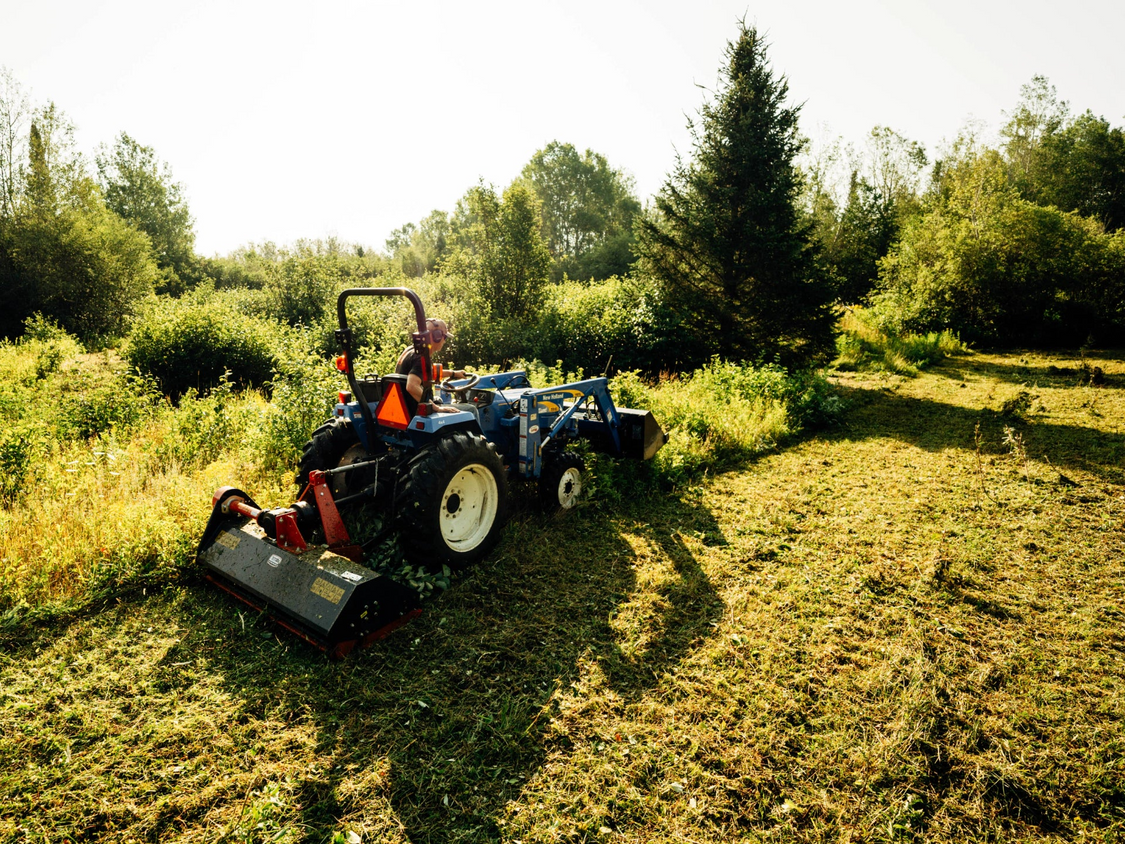
In today’s fast-paced construction, mining, agriculture, and industrial sectors, efficiency is everything. Companies constantly look for ways to get more done in less time—without compromising quality or safety. One of the most effective ways to achieve this is by upgrading equipment with heavy machinery attachments. These add-ons transform standard machines into multi-purpose powerhouses, increasing productivity, reducing manual labor, and improving job-site versatility.
Below, we’ll explore how these attachments make a real difference and why they’ve become essential tools across industries.
The Power of Versatility: One Machine, Many Tasks
A major advantage of heavy machinery attachments is the ability to adapt a single machine to a wide variety of tasks. Instead of investing in several specialized machines, companies can purchase attachments that allow one unit to perform multiple jobs.
1. Expanded Capabilities
Attachments like buckets, breakers, augers, grapples, forks, and mulchers significantly broaden what heavy equipment can do. For example:
-
Excavators can switch from digging trenches to breaking concrete simply by changing attachments.
-
Skid steers can go from grading soil to sweeping job sites or lifting pallets.
-
Backhoes can become drilling machines with the right auger attachment.
This flexibility not only increases productivity but also helps reduce operational costs.
2. Faster Job-Site Adaptation
Different tasks often arise unexpectedly on a job site. Having a range of attachments available enables operators to respond instantly without waiting for additional machines to arrive. This quick adaptability keeps projects on schedule and minimizes downtime.
Boosting Efficiency Through Specialized Performance
While skid steer attachments is inherently powerful, attachments enhance that power by allowing equipment to perform tasks more precisely and efficiently.
1. Improved Accuracy
Attachments designed for specific tasks—such as grading blades or precision trenching tools—deliver better accuracy than general-purpose tools. This means less rework, smoother results, and faster project completion times.
2. Increased Productivity
Attachments like hydraulic breakers, high-capacity buckets, and drum cutters enable machines to tackle tougher materials and larger volumes. As a result:
-
Operators move more material in less time
-
Job cycles are shorter
-
Fuel consumption is optimized
When work gets done faster with the same resources, overall efficiency skyrockets.
3. Reduced Manual Labor
Many tasks that used to require entire crews can now be handled by a single machine equipped with the right attachment. This not only reduces labor costs but also improves job-site safety by minimizing hands-on work in hazardous areas.
Enhancing Safety and Reducing Wear
Attachments don’t just boost performance—they also contribute to safer and longer-lasting equipment operations.
1. Safer Job-Site Conditions
Using the proper attachment for a task reduces the risk of accidents. For example:
-
Thumb grapples securely hold debris or logs, preventing slips.
-
Compaction wheels eliminate the need for workers to stand close to heavy equipment.
-
Hydraulic breakers allow demolition from a safe distance.
These tools help operators maintain full control while staying safely inside the machine.
2. Less Wear and Tear on Machinery
When equipment is forced to perform tasks it wasn’t designed for, mechanical stress builds up. Attachments help tackle these tasks correctly, reducing wear on the machine’s boom, hydraulics, and engine. This results in:
-
Fewer breakdowns
-
Longer equipment lifespan
-
Lower maintenance costs
Cost Efficiency: Maximizing Investment Value
Investing in attachments is far more affordable than buying additional machines. A single excavator, skid steer, or loader can handle dozens of applications with the right add-ons. This lowers capital investment while expanding operational potential.
1. Lower Equipment Fleet Costs
Instead of maintaining multiple machines, companies can operate a smaller, more efficient fleet enhanced with versatile attachments.
2. Higher Return on Investment
Attachments increase machine utilization rates. A machine used for multiple tasks delivers a better return than one that sits idle waiting for specific jobs.
Final Thoughts
Heavy machinery attachments have reshaped how industries approach efficiency, versatility, and cost management. By transforming standard equipment into adaptable, multi-functional tools, attachments allow companies to work smarter, complete projects faster, and handle a wider range of tasks with greater accuracy and safety.
Whether you’re in construction, agriculture, forestry, or landscaping, investing in the right attachments can dramatically increase your productivity and bring long-term value to your operations.