

The Complete Guide to HVAC Installation

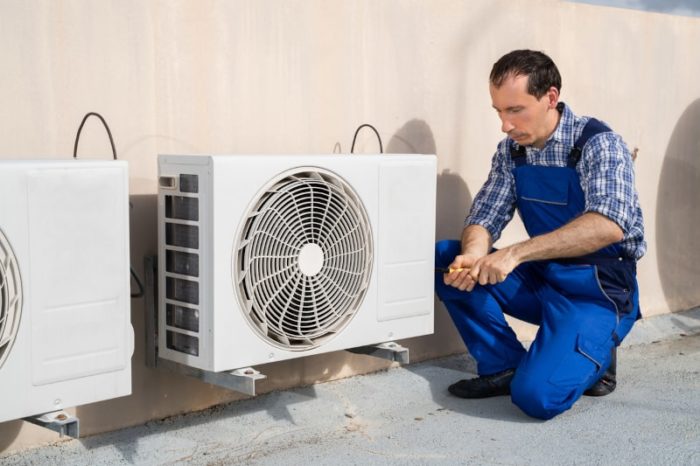
HVAC installation is a critical process that ensures homes and commercial spaces maintain optimal comfort and air quality. HVAC, which stands for heating, ventilation, and air conditioning, is essential for regulating indoor temperatures, humidity levels, and airflow. Whether you’re installing a system for the first time or replacing an outdated unit, understanding the key steps, considerations, and benefits of professional Knoxville HVAC company is crucial.
Importance of Professional HVAC Installation
One of the most significant aspects of HVAC installation is the precision required to ensure the system operates efficiently. Poor installation can lead to reduced efficiency, higher energy bills, and frequent breakdowns. Professional HVAC technicians have the expertise to assess the space, recommend the appropriate system size, and install equipment correctly. Proper installation also maximizes the lifespan of your HVAC system and ensures compliance with local building codes and manufacturer warranties.
Planning and Preparation
Before any HVAC installation begins, a thorough evaluation of your property is necessary. This includes inspecting ductwork, evaluating insulation, and determining the heating and cooling load requirements. The heating and cooling load calculation is particularly important because installing a system that is too large or too small can result in uneven temperatures and unnecessary energy consumption.
Choosing the right type of HVAC system is another critical step. Options include central air conditioning units, ductless mini-split systems, heat pumps, and traditional furnaces. Each system has unique advantages depending on climate, space size, and budget. For example, ductless mini-split systems are ideal for homes without existing ductwork, while central systems provide consistent airflow throughout large buildings.
Key Steps in HVAC Installation
-
Site Assessment and Design:
HVAC installation begins with a comprehensive site assessment. Technicians evaluate the building layout, existing ductwork, and electrical requirements. This step ensures the selected system will fit seamlessly into the property and function optimally. -
Removal of Old Equipment:
If replacing an existing system, old units must be safely removed. This process may involve disconnecting electrical components, refrigerant lines, and duct connections. Proper disposal of old HVAC equipment is essential for environmental safety and compliance with local regulations. -
Installation of New Equipment:
The core phase of HVAC installation involves positioning and connecting the new system. For central air systems, this includes installing the condenser unit outdoors and the air handler or furnace indoors. Ductless systems require mounting the indoor units and connecting them to the outdoor compressor. Refrigerant lines, electrical wiring, and drainage systems are installed to ensure proper operation. -
Ductwork and Ventilation:
Proper ductwork installation is vital for efficient airflow. Technicians inspect existing ducts for leaks or blockages and may install new ducts where needed. Adequate ventilation ensures that conditioned air reaches all areas of the building while maintaining indoor air quality. -
System Testing and Calibration:
Once the equipment is installed, HVAC technicians conduct rigorous testing. This includes checking airflow, refrigerant levels, thermostat functionality, and electrical connections. System calibration ensures the HVAC unit operates efficiently and maintains the desired temperature settings.
Benefits of Proper HVAC Installation
Professional HVAC installation provides multiple benefits. Firstly, it guarantees energy efficiency, reducing electricity bills and environmental impact. Secondly, it improves indoor comfort, providing consistent heating and cooling throughout the property. Thirdly, it enhances air quality by ensuring proper filtration and ventilation. Finally, correctly installed HVAC systems require fewer repairs and last longer, offering long-term cost savings.
Maintenance After Installation
Even after a successful HVAC installation, regular maintenance is crucial. Scheduled inspections, filter replacements, and system cleaning keep the HVAC unit operating at peak efficiency. Routine maintenance also helps identify minor issues before they escalate into costly repairs, ensuring reliable performance year-round.
Choosing a Reliable HVAC Installation Service
Selecting the right service provider for HVAC installation is as important as choosing the system itself. Look for licensed and certified technicians with experience in installing your type of HVAC system. Customer reviews, warranties, and transparent pricing are additional factors to consider when choosing a reliable provider.
Conclusion
HVAC installation is more than just placing a unit in a home or office. It involves careful planning, precise installation, and post-installation testing to ensure efficiency, comfort, and longevity. By investing in professional HVAC installation, property owners can enjoy consistent indoor temperatures, improved air quality, and long-term savings. Whether for a residential or commercial property, expert installation sets the foundation for a reliable and efficient HVAC system that meets all heating, cooling, and ventilation needs.